Premium Aluminum Bonded Fin Heatsinks
Product Overview
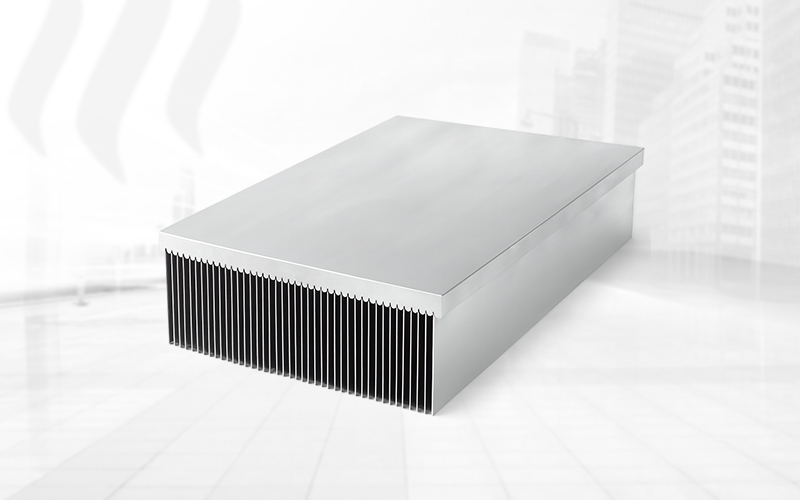
Inquiry NowOur Aluminum Bonded Heatsinks represent the optimal balance of thermal performance, manufacturing efficiency, and cost-effectiveness for air cooling applications. By bonding fin arrays to optimized base plates, we achieve fin densities and aspect ratios impossible with traditional extrusion methods. This construction technique enables heatsinks with superior thermal performance in compact envelopes. Whether cooling processors, power supplies, or industrial electronics, bonded fin heatsinks deliver exceptional heat dissipation when air cooling is the preferred or required cooling method.
How It Works
Bonded fin heatsinks employ a thermally conductive epoxy or solder bonding process to attach individual fin arrays to a solid base plate. The base plate spreads heat laterally from heat sources while conducting thermal energy into the fin array. Precision manufacturing ensures complete bond coverage between fins and base, eliminating air gaps that would increase thermal resistance. The bonding process allows use of thin, closely-spaced fins that create extensive surface area for convective heat transfer to surrounding air. Natural or forced convection carries heated air away from fin surfaces, continuously removing thermal energy from the system. Base plate thickness and material are optimized to balance heat spreading versus weight and cost. Fin geometry—including thickness, height, and spacing—is tailored to specific application requirements such as available airflow, space constraints, and thermal load. The robust bonded construction withstands vibration and thermal cycling while maintaining consistent thermal performance.
Key Features
 High Fin Density:Bonding process enables closer fin spacing than extrusion
methods
High Fin Density:Bonding process enables closer fin spacing than extrusion
methods- Superior Aspect Ratios:Tall, thin fins maximize surface area in limited footprint
- Optimized Base Plate:Thickness and material selected for optimal heat spreading
- Excellent Thermal Performance:Low thermal resistance through efficient heat
dissipation
- Lightweight Construction: Aluminum construction minimizes weight penalty
- Versatile Mounting:Compatible with various component types and heat spreaders
- Versatile Geometries:Custom fin patterns adapt to component layouts and airflow
paths
- Durable Bond Interface:Thermally conductive adhesives ensure long-term
reliability
- Scalable Design:From small board-level to large chassis-mount configurations
Technical Specifications
- Base Material:Aluminum 6061-T6 or 1100 series
- Fin Material:Aluminum 1100 or 6063
- Bonding Method:Thermal epoxy or solder bonding
- Fin Thickness:0.5mm to 2.0mm (custom available)
- Fin Height:10mm to 80mm standard (custom available)
- Fin Spacing:1.5mm to 6mm (optimized for airflow conditions)
- Base Thickness:3mm to 15mm (application dependent)
- Thermal Resistance:0.2 to 2.0°C/W (size and airflow dependent)
- Operating Temperature:-40°C to +150°C
- Surface Treatments:Anodized (black or clear), powder coated
- Mounting Options:Through-hole, threaded inserts, adhesive backing
Applications
- Computer processors and graphics cards
- Power supply thermal management
- LED lighting systems
- Telecommunications equipment
- Industrial control systems
- Audio amplifiers and AV equipment
- Solar inverters and renewable energy
- Automotive electronic control units
- Medical electronics cooling
- Embedded computing and IoT devices